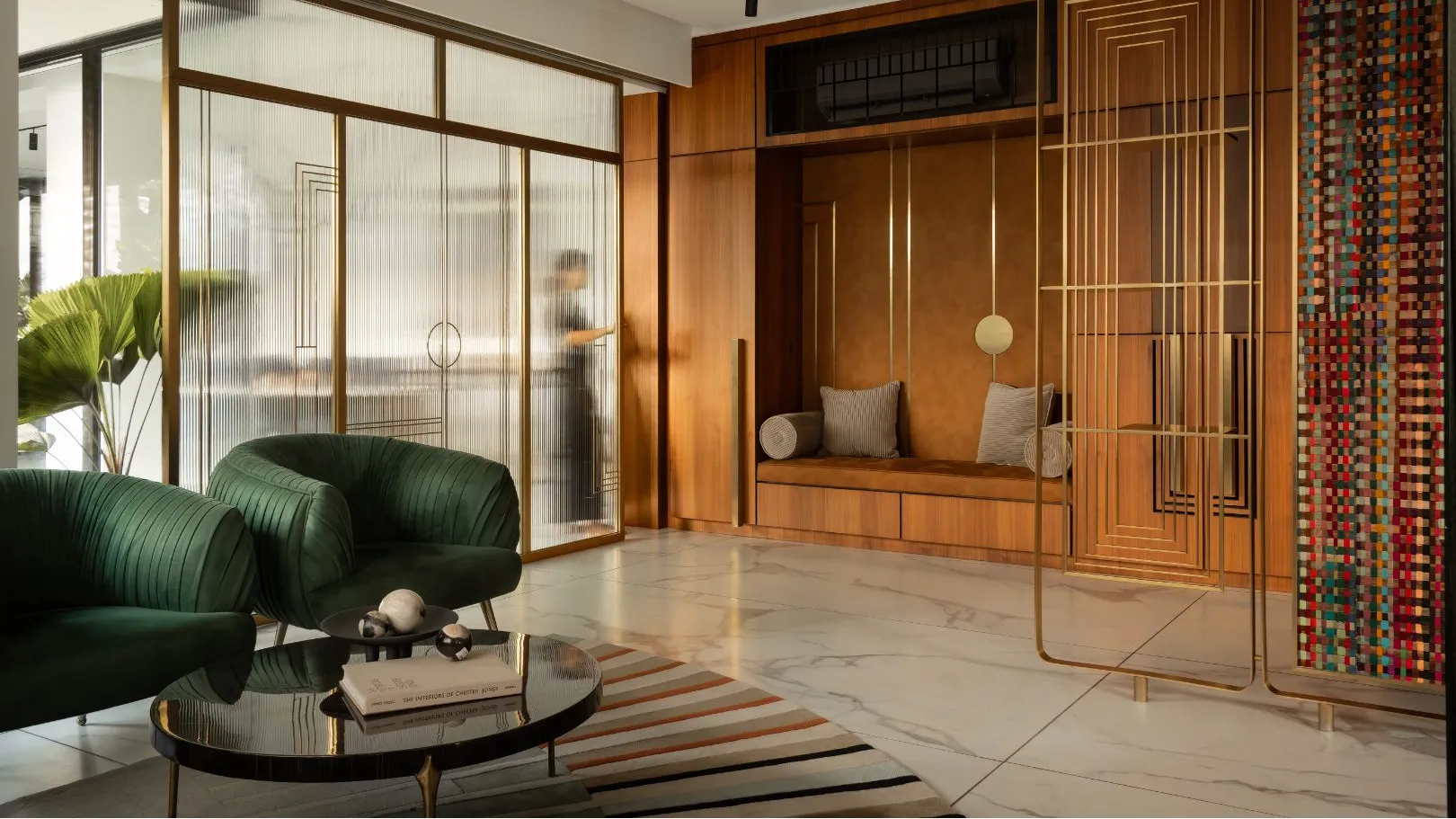
Architectural Digest is one of the most luxury lifestyle digital magazine influential and widely recognized publications in the world of architecture, interior design, and luxury lifestyle. Often referred to simply as “AD,” the magazine has built a reputation over decades as a tastemaker that showcases exceptional homes, innovative architecture, and the creative minds behind some of the most stunning spaces on the planet. From celebrity residences to groundbreaking architectural projects, Architectural Digest continues to shape how people think about design and living spaces.
The Origins and Evolution of Architectural Digest
Architectural Digest was first founded in 1920 in California as a small trade publication focused primarily on California architects and their work. In its early years, it was less of a global design authority and more of a regional journal highlighting architectural developments in the American West. However, as the appetite for design journalism grew, so did the magazine’s ambition.
Over time, it expanded its scope beyond California to cover architecture across the United States and eventually the world. By the late 20th century, Architectural Digest had transformed into a premier international design magazine, known for its high production value, stunning photography, and exclusive access to some of the most luxurious private residences.
Today, it is published under Condé Nast, a media powerhouse known for iconic titles such as Vogue and The New Yorker. This association has further elevated Architectural Digest into a global brand that reaches millions of readers both in print and online.
A Focus on Design Excellence
At its core, Architectural Digest is dedicated to celebrating excellence in design. The magazine covers a wide range of topics including residential architecture, interior design, landscape design, and even product design. Each issue typically features carefully curated homes that reflect unique architectural styles, cultural influences, and personal stories.
What sets Architectural Digest apart is its emphasis on storytelling. It is not just about showing beautiful rooms or buildings; it is about explaining the vision behind them. Readers are introduced to architects, interior designers, and homeowners who bring these spaces to life. Through interviews and detailed features, the magazine reveals the creative process behind each project.
Whether it is a minimalist apartment in Tokyo, a historic villa in Italy, or a modern mansion in Los Angeles, Architectural Digest highlights the diversity of global design traditions while also showcasing emerging trends.
Celebrity Homes and Cultural Influence
One of the most popular aspects of Architectural Digest is its coverage of celebrity homes. Over the years, the magazine has featured the residences of actors, musicians, athletes, and business leaders. These exclusive tours often attract massive attention, especially in the digital era where video content spreads rapidly online.
Celebrity home tours serve a dual purpose. On one hand, they satisfy public curiosity about the lifestyles of famous individuals. On the other hand, they introduce mainstream audiences to high-level interior design concepts. A well-designed celebrity home can inspire millions of viewers to rethink their own living spaces, even if on a smaller budget.
Architectural Digest has successfully leveraged this appeal through its YouTube channel, which has become a global sensation. Video tours featuring celebrities walking through their homes have amassed hundreds of millions of views, further cementing the magazine’s cultural relevance.
Architectural Digest in the Digital Age
Like many traditional print publications, Architectural Digest has adapted to the digital revolution. Its online platform now reaches a global audience with articles, videos, and social media content that extend far beyond the monthly magazine.
The digital version of Architectural Digest allows for more interactive storytelling. Readers can watch video tours, browse photo galleries, and explore design ideas in real time. Social media platforms such as Instagram, Pinterest, and YouTube have played a crucial role in expanding the magazine’s influence, making design inspiration more accessible than ever before.
In particular, the Architectural Digest YouTube channel has become a cornerstone of its modern identity. The “Open Door” series, which showcases celebrity homes, has become one of the most recognizable design video formats on the internet.
Influence on Interior Design Trends
Architectural Digest does more than showcase beautiful spaces—it actively influences global design trends. Interior designers and architects often look to the magazine for inspiration and validation of new ideas. Trends such as open-plan living, sustainable materials, biophilic design, and minimalist aesthetics have all been featured and popularized through its pages.
The magazine also plays an important role in introducing regional design styles to a global audience. For example, Scandinavian minimalism, Japanese wabi-sabi aesthetics, and Mediterranean rustic design have all gained international popularity partly through exposure in Architectural Digest.
By highlighting both established and emerging designers, the magazine helps shape the direction of contemporary architecture and interior design.
The Art of Photography and Presentation
One of the defining characteristics of Architectural Digest is its exceptional visual presentation. Photography is central to its identity. Each feature is carefully styled and shot to highlight the beauty, texture, and atmosphere of a space.
Photographers working with Architectural Digest often use natural lighting, wide-angle compositions, and detailed close-ups to create a sense of immersion. The goal is not just to document a space but to evoke emotion and tell a story through imagery.
The magazine’s layout and editorial design also contribute to its prestige. Clean typography, spacious layouts, and high-quality printing ensure that every page feels like a curated visual experience.
A Platform for Design Leaders
Architectural Digest has long served as a platform for some of the most influential names in architecture and interior design. Legendary figures such as Frank Lloyd Wright, Zaha Hadid, and Kelly Wearstler have all been featured in its pages, alongside rising talents who are shaping the future of design.
By providing visibility to both established icons and new voices, the magazine fosters a dynamic design community. It acts as a bridge between creative professionals and the public, making high-level design more approachable and understandable.
Conclusion
Architectural Digest is far more than a magazine—it is a cultural institution that celebrates the art of living well-designed lives. From its humble beginnings as a regional publication to its current status as a global design authority, it has continually evolved while staying true to its core mission: showcasing extraordinary spaces and the people who create them.
In a world where design plays an increasingly important role in how we live, work, and connect, Architectural Digest remains a trusted source of inspiration and innovation. Whether in print or online, it continues to shape the way we understand beauty, space, and creativity in the modern world.