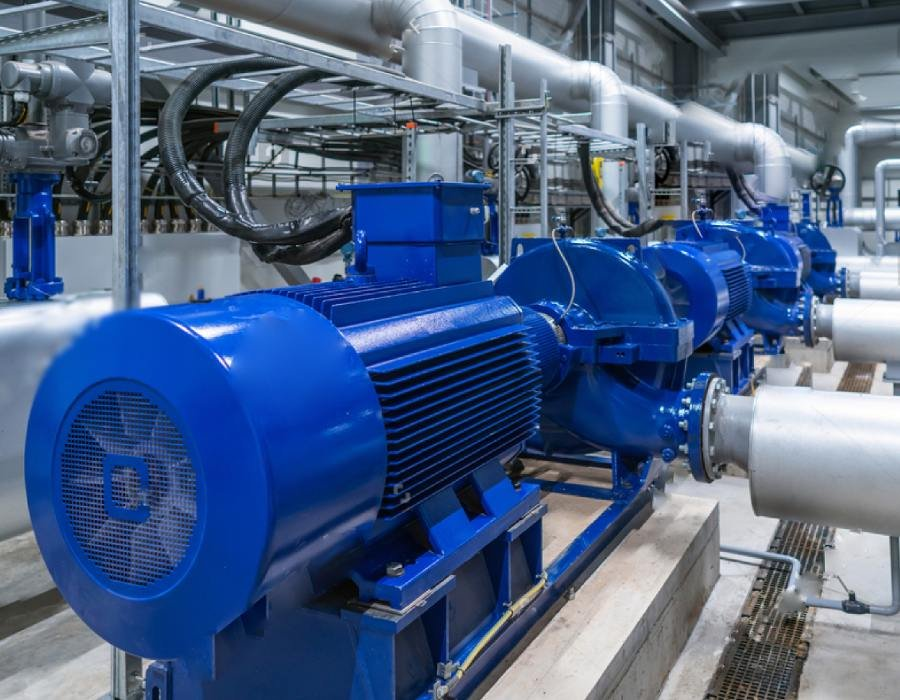
Industrial pumps are among the most critical components in any process-driven facility. From moving corrosive chemicals to circulating cooling water or transferring hydrocarbons, pumps keep operations running smoothly. Choosing the wrong pump can lead to inefficiency, excessive maintenance, or complete system failure.
This guide explains the main types of industrial pumps, where they are used, and how to select the right pump for demanding operating conditions.
What Are Industrial Pumps?
Industrial pumps are mechanical devices designed to move liquids, slurries, or chemicals through piping systems using mechanical energy. Unlike domestic or light-duty pumps, industrial pumps are built for continuous operation, high pressures, extreme temperatures, and aggressive fluids.
They are widely used in industries such as:
- Oil and gas
- Chemical processing
- Power generation
- Water and wastewater treatment
- Manufacturing and utilities
Why Industrial Pump Selection Matters
Pump selection directly affects:
- Energy efficiency
- Process stability
- Equipment lifespan
- Maintenance costs
- Safety and environmental compliance
A pump that is poorly matched to the application can suffer from cavitation, vibration, seal failure, and excessive wear.
Main Types of Industrial Pumps
Centrifugal Pumps
Centrifugal pumps are the most commonly used industrial pumps. They use a rotating impeller to move fluid by centrifugal force.
Key characteristics:
- Simple design
- Smooth, continuous flow
- Suitable for low to medium viscosity fluids
Common applications:
- Water circulation
- Chemical transfer
- Cooling systems
- Refinery processes
Positive Displacement Pumps
Positive displacement pumps move a fixed amount of fluid with each cycle. They are ideal for precise flow control and high-viscosity fluids.
Advantages include:
- Accurate flow rates
- High pressure capability
- Strong performance with viscous media
Typical applications:
- Oil transfer
- Chemical dosing
- Slurry handling
- Hydraulic systems
Diaphragm Pumps
Diaphragm pumps use a flexible diaphragm to move fluid and are well-suited for corrosive or hazardous liquids.
Benefits:
- Leak-free operation
- Ability to handle aggressive chemicals
- Minimal risk of contamination
Multistage Pumps
Multistage pumps use multiple impellers to generate higher pressure.
Used in:
- Boiler feed systems
- High-pressure water supply
- Power plants
Key Factors to Consider When Choosing an Industrial Pump
Fluid Properties
- Viscosity
- Corrosiveness
- Presence of solids
- Temperature
Operating Conditions
- Flow rate requirements
- Pressure and head
- Continuous or intermittent duty
- Environmental conditions
Material Compatibility
Incorrect material selection can lead to corrosion, erosion, and early failure.
Maintenance and Lifecycle Cost
A cheaper pump upfront may cost more over time due to maintenance and downtime.
Common Mistakes in Industrial Pump Selection
- Oversizing or undersizing the pump
- Ignoring suction conditions
- Selecting incompatible materials
- Focusing only on purchase price
- Overlooking maintenance access
Avoiding these mistakes improves reliability and efficiency.
Best Practices for Pump Performance
- Define operating parameters accurately
- Ensure proper installation and alignment
- Use correct sealing solutions
- Monitor vibration and temperature
- Follow preventive maintenance schedules
Frequently Asked Questions (FAQ)
What is the most common industrial pump type?
Centrifugal pumps are the most widely used due to their simplicity and versatility.
Which pump is best for high-viscosity fluids?
Positive displacement pumps perform best with viscous liquids.
How long do industrial pumps typically last?
With proper selection and maintenance, many pumps operate reliably for decades.
Why does cavitation occur?
Cavitation usually results from insufficient suction pressure or improper pump selection.
Can one pump type handle all applications?
No. Pump selection must be based on specific process requirements.
Conclusion
Industrial pumps are not interchangeable components. Their performance depends on proper selection, installation, and maintenance. Understanding pump types and application requirements helps operators build reliable, efficient systems that support long-term operations.