Perfumes have long held a cherished exclusive perfumes place in human culture. From ancient civilizations to modern-day fashion houses, fragrances have been used to express identity, enhance beauty, and evoke powerful emotions. A single scent can transport us to a memory, ignite passion, or offer comfort. The art and science of perfumery have evolved over the centuries, yet the core purpose remains unchanged — to captivate and enchant through the power of aroma.
The History and Origins of Perfume
The word “perfume” is derived from the Latin phrase per fumum, meaning “through smoke.” This hints at the earliest use of fragrances, which were often released through burning incense in religious rituals. Ancient Egyptians were pioneers in perfumery, using aromatic oils and balms not just for personal use but also for embalming the dead. They believed fragrance was sacred and connected to the divine.
As perfume-making techniques traveled to the Greeks and Romans, scents became more refined. In the Islamic world, perfume flourished with the invention of distillation, leading to the creation of alcohol-based perfumes. By the Middle Ages and the Renaissance, perfumes gained popularity in Europe, especially in France, which soon became the global center of perfumery.
The Art of Perfumery
Creating a perfume is both an art and a science. It involves blending natural and synthetic ingredients to produce harmonious scents that unfold over time. Perfumes are typically structured in three layers known as “notes”:
- Top Notes: These are the initial scents you smell when applying perfume. They are light and evaporate quickly. Common top notes include citrus, light fruits, and herbs.
- Middle Notes (Heart Notes): These emerge once the top notes fade. They form the core of the fragrance and are often floral, spicy, or fruity.
- Base Notes: These are the foundation of the perfume and last the longest. They are usually rich, deep, and warm scents like musk, vanilla, amber, or sandalwood.
A perfumer, also known as a “nose,” must have a refined sense of smell and a deep understanding of chemistry to balance these layers and create a memorable and long-lasting fragrance.
Types of Perfumes
Perfumes are categorized by their concentration of aromatic compounds:
- Parfum (Extrait): The most concentrated and long-lasting, containing 20–30% fragrance oils.
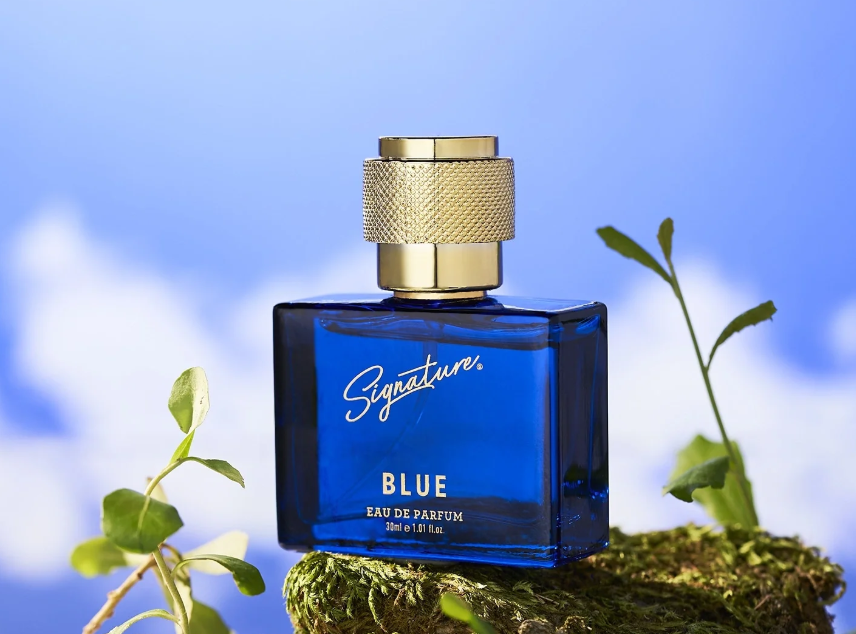
- Eau de Parfum (EDP): Slightly lighter, with 15–20% concentration, offering strong yet subtle scents.
- Eau de Toilette (EDT): With 5–15% fragrance concentration, it is more affordable and ideal for everyday use.
- Eau de Cologne (EDC): The lightest, usually containing 2–5% perfume oils. Perfect for a refreshing splash.
Each type serves a different purpose, and the choice often depends on the occasion, weather, or personal preference.
Choosing the Right Perfume
Selecting the right perfume is a deeply personal journey. It’s not just about smelling good but finding a scent that resonates with your personality. Some prefer fresh and clean notes for a casual, daytime scent, while others opt for bold, exotic fragrances for evening wear or special occasions.
Testing a perfume on your skin is essential, as body chemistry can alter the way a fragrance smells. What works for one person may not suit another. It’s also wise to let the perfume settle for a few hours before making a decision, as the base notes may change the overall impression.
The Role of Perfume in Modern Life
In today’s fast-paced world, perfumes have become more than just luxury items. They are a part of daily grooming, self-care, and expression. A signature scent can boost confidence, enhance mood, and leave a lasting impression on others. Many people associate specific scents with memories or people, making perfume a powerful emotional connector.
Moreover, with the rise of niche and artisan perfumers, there is now a broader selection of unique and personalized scents available. Consumers are more informed and seek quality, sustainability, and ethical sourcing in the perfumes they choose.
Conclusion
Perfumes are timeless treasures that weave together art, culture, memory, and science. Whether it’s a luxurious bottle from a designer brand or a handcrafted blend from a local perfumer, the right scent can transform your mood and define your presence. As our world grows more complex, the simple act of wearing a beloved fragrance remains a comforting and empowering ritual — a gentle reminder that beauty can be found through the senses.