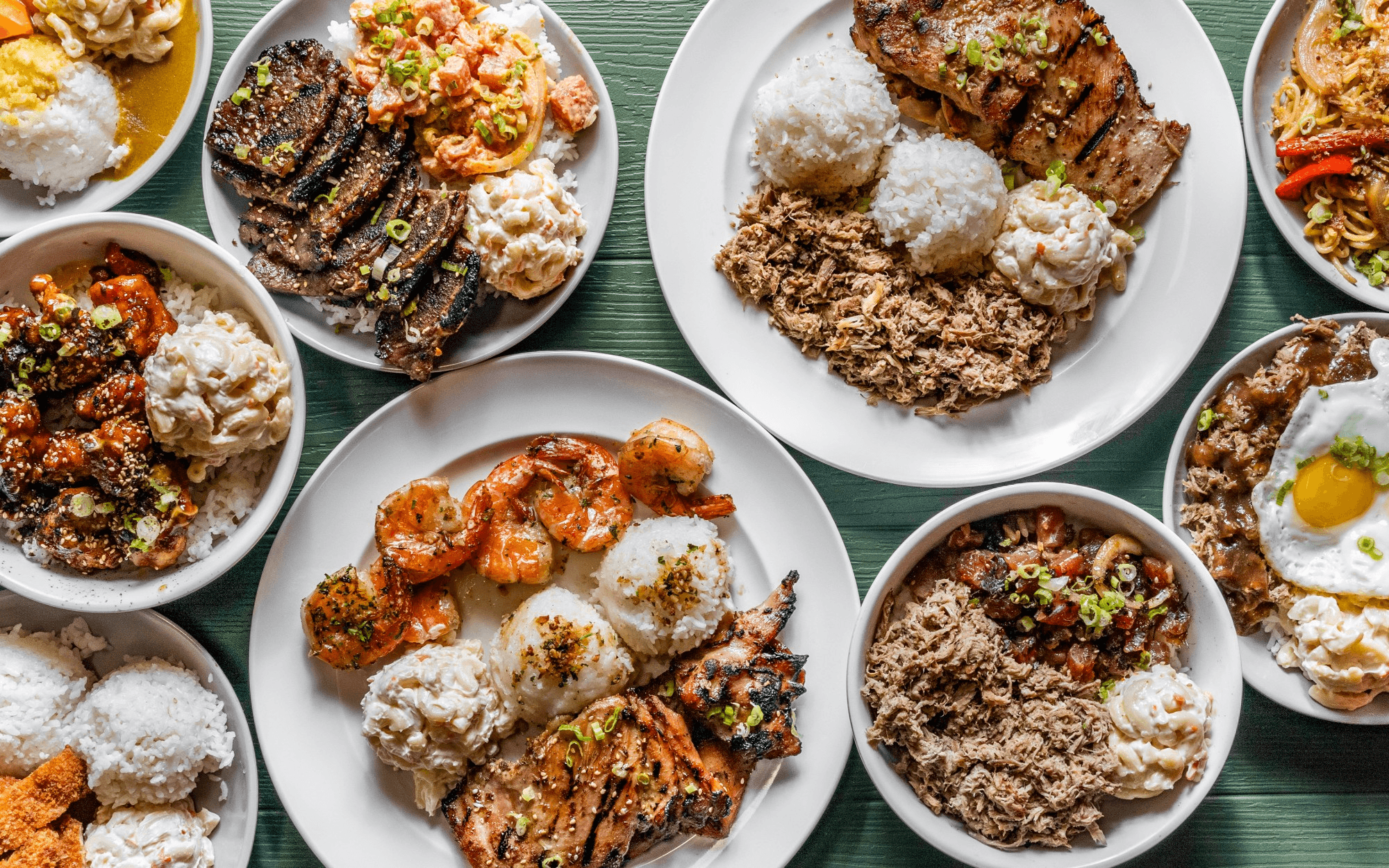
Step onto a Hawaiian beach with the sun shining and the ocean breeze carrying the smell of island flavors. Hawaiian food is more than just a meal, it’s a way to connect with the islands’ history and heart. From family gatherings to big luaus, the Top 10 Traditional Hawaiian Foods You Can’t Miss bring the spirit of aloha to every bite. These dishes, rooted in Polynesian traditions, use simple ingredients like taro, fish, and pork to create unforgettable tastes. Whether you’re planning a trip or just curious, this list will guide you through Hawaii’s classic eats with stories that make each dish special.
Hawaiian food began with the first islanders who arrived by canoe, bringing taro and fishing skills. Over time, these turned into meals that celebrate the land and sea. You’ll find them at local markets, roadside stands, or festive luaus. Each dish tells a story of culture and community. As we explore the Top 10 Traditional Hawaiian Foods You Can’t Miss, you’ll see how they bring people together, from a bowl of poi to smoky kalua pig. Let’s dive into this food journey with a clear table to start, then go deep into each dish.
Top 10 Traditional Hawaiian Foods You Can’t Miss
This list covers Hawaii’s most loved dishes, chosen for their taste and cultural roots. Each one has a unique story, from how it’s made to why it matters. Below is a quick table to give you an overview, followed by detailed stories for each food.
| Food Name | Key Ingredients | Preparation Method | Cultural Note |
| 1. Poi | Taro root, water | Steamed, mashed into paste | Ancient staple, ties to family |
| 2. Kalua Pig | Pork, salt | Slow-roasted in underground oven | Luau favorite, means “baked in ground” |
| 3. Poke | Fresh fish (like tuna), salt | Cubed, marinated raw | Fresh sea snack, daily treat |
| 4. Laulau | Pork or fish, taro leaves | Wrapped in leaves, steamed | Flavor-packed bundle |
| 5. Lomi Lomi Salmon | Salmon, tomatoes, onions | Diced, mixed by hand | “Massaged” salad, party side |
| 6. Haupia | Coconut milk, sugar | Cooked into firm pudding | Sweet coconut dessert |
| 7. Squid Luau | Squid, taro leaves, coconut milk | Stewed together | Creamy, rich stew |
| 8. Pipikaula | Beef, salt, spices | Dried, seasoned | Hawaiian jerky, travel food |
| 9. Kulolo | Taro, coconut | Baked into dense pudding | Earthy, sweet treat |
| 10. Chicken Long Rice | Chicken, clear noodles, ginger | Simmered in broth | Comforting fusion soup |
This table sums it up, but the real flavor comes in the details. Let’s explore each dish with stories and tips to make you hungry.
Poi: The Heart of Hawaiian Meals
Long ago, Hawaiians planted taro in muddy fields, turning it into poi, a smooth, purple paste that’s a key part of island life. Made by steaming taro roots and mashing them with water, poi has a mild, slightly tangy taste, like a starchy yogurt. Locals eat it fresh, scooping it with fingers or pairing it with salty foods like fish.
To make poi, cook taro until soft, mash it, and add water for a thick or thin texture—think one-finger for thick, two-finger for runny. In the past, it fed everyone, from kids to chiefs. Today, it’s a must at luaus, balancing rich dishes like kalua pig. Newcomers might find it plain at first, but it grows on you. In Hawaiian myths, taro is like a family, tied to stories of gods feeding their people. Try fresh poi at a farmers’ market for the real deal. It’s a simple way to taste Hawaii’s roots. Want to dive deeper? Visit a taro farm to see how it’s grown.
Kalua Pig: Smoky Island Feast
Picture a family digging a pit called an imu, filled with hot rocks. That’s where kalua pig comes from a tender, smoky pork dish that’s a Hawaiian favorite. “Kalua” means “baked in the ground,” and it’s made by salting a whole pig, wrapping it in banana leaves, and cooking it slowly underground. The result is juicy meat with a deep, earthy flavor.
You only need pork, Hawaiian salt, and leaves for wrapping. No heavy spices, just pure taste. It’s the star of luaus, served in big piles with rice or poi. In the old days, it was for special events like weddings. Now, you can find it at food trucks or restaurants. A story goes that a chief once shared his kalua pig, starting a village party. For the best experience, try it at a luau where they unearth the pig. It’s a sight! This dish teaches patience, as the slow cooking is worth the wait. Hungry yet? Look for local spots known for their smoky flavor.
Poke: Fresh Ocean Bites
Hawaii’s seas give us poke, a raw fish dish that’s simple yet bold. “Poke” means “to slice,” and it’s fresh fish like ahi tuna cut into cubes, mixed with sea salt, seaweed, and onions. It’s like sushi but with island vibes, thanks to crunchy limu seaweed.
To make it, chop fresh fish, add soy sauce or chili for extra kick, and mix. No cooking needed, so the fish must be top-notch. Long ago, fishermen ate poke on their boats, using salt to keep it fresh. Now, it’s everywhere: grocery stores, beach stands, even fancy restaurants. Try a poke bowl with rice for a quick meal. One tale tells of a fisherman sharing poke, sparking a beach feast. It’s healthy, packed with protein. For fun, try spicy or sesame versions. Poke shows Hawaii’s love for the ocean. If you’re visiting, hit a fish market early for the freshest catch. It’s a must in the Top 10 Traditional Hawaiian Foods You Can’t Miss.
Laulau: Leaf-Wrapped Delight
Open a steaming bundle of taro leaves to find tender pork or fish inside that’s laulau, a dish that feels like a gift. The meat, often pork or butterfish, is wrapped in taro leaves and steamed for hours until soft. The leaves add a spinach-like flavor.
To prepare, layer meat in leaves, tie it up, and steam. In the past, it was cooked in underground ovens. Laulau comes from Polynesian ways of using every part of the plant. It’s comfort food at family dinners, often paired with lomi lomi salmon. A legend says laulau was a divine gift, hiding tasty surprises. Kids love unwrapping it like a present. It’s naturally gluten-free and full of nutrients. For a twist, try chicken laulau. Find it at Hawaiian food trucks for that homemade taste. This dish brings you closer to island traditions.
Lomi Lomi Salmon: Fresh Island Salad (34 characters)
Lomi lomi salmon is a cool, tangy salad made by “massaging” diced salmon, tomatoes, and onions together. “Lomi lomi” means “to knead,” and the hands-on mixing blends the salty fish with sweet veggies. Sometimes chili adds a kick.
Cure the salmon in salt, chop it with veggies, and mix by hand. This dish came from Pacific islanders trading salmon with locals. It’s a hit at picnics or luaus, served with poi for creaminess. A story tells of sailors swapping fish for fruits, creating this mix. It’s light and packed with vitamins. Try adding green onions for extra crunch. Lomi lomi brings people together, just like kneading. Looking for it at local delis fresh is always best.
Haupia: Sweet Coconut Pudding
Finish your meal with haupia, a creamy coconut pudding that’s like a tropical hug. Made from coconut milk, sugar, and cornstarch, it’s cooked until thick and cut into squares. It’s smooth and not too sweet.
Heat the ingredients, stir until set, and chill. This dessert comes from Hawaii’s coconut trees, used for centuries. It’s a staple at parties or even layered in cakes. A tale says a coconut tree saved a village from hunger. Haupia is vegan-friendly and refreshing. Try it with fruit on top for a twist. Find it at bakeries or luaus for a sweet end. It’s simple but unforgettable.
Squid Luau: Creamy Taro Stew
Squid luau is a rich stew of squid, taro leaves, and coconut milk. The leaves give an earthy taste, while the coconut makes it creamy. It’s like a warm island hug in a bowl.
Cook squid with leaves and milk until tender. This dish uses every part of the taro plant, showing Hawaiian resourcefulness. It’s popular at family meals, often with rice. A story tells of a fisherman sharing squid with his village, starting a feast. It’s hearty and full of flavor. Try it at local restaurants for a taste of tradition. This stew connects you to Hawaii’s land and sea.
Pipikaula: Hawaiian Beef Jerky
Pipikaula is Hawaii’s take on jerky, tough, salty beef dried with spices. It’s made by salting beef, seasoning it, and air-drying it. The result is chewy and packed with flavor.
Historically, cowboys made it for long rides. It’s a snack you can carry anywhere. A tale says a rancher shared pipikaula, uniting workers. Try it with a cold drink to balance the salt. Find it at markets or make your own for fun. Pipikaula shows Hawaii’s ranching roots and love for bold tastes.
Kulolo: Taro and Coconut Treat
Kulolo is a dense, sweet pudding made from taro and coconut. Baked slowly, it’s chewy with earthy and sweet flavors. It’s like a dessert that hugs you back.
Mix grated taro with coconut milk and bake for hours. It’s an old Hawaiian treat, often shared at gatherings. A story tells of a family saving taro to make kulolo for a festival. It’s rich and filling. Try it at dessert for a taste of history. Kulolo blends Hawaii’s land and sweetness perfectly.
Chicken Long Rice: Island Soup
Chicken long rice is a warm soup with clear noodles, chicken, and ginger. It’s light but comforting, with a savory broth that soothes.
Simmer chicken with noodles and ginger. This dish blends Hawaiian and Chinese influences, brought by workers long ago. It’s a go-to for family dinners. A tale says a cook made it to warm a sick friend. It’s healthy and easy to eat. Find it at local spots for a cozy meal. This soup shows Hawaii’s mix of cultures.